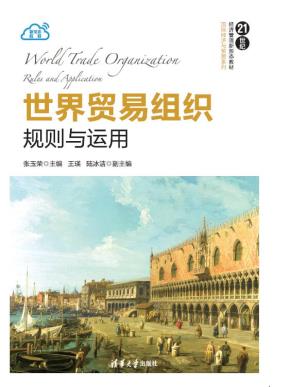
世界贸易组织:规则与运用"
本书旨在全面介绍世界贸易组织规则和中国加入世界贸易组织后的最新发展动态。书中通过中英文协议对照,客观反映世界贸易组织协定和协议内容; 通过大量案例、模拟谈判,积极提升学生对规则的应用能力; 通过相关协议、协定在中国的实践应用等内容,全面展现中国加入世界贸易组织以来参与全球治理的贡献; 涵盖世界贸易组织的未来等内容,客观呈现世界贸易组织面临的改革困境。
本书突出应用,引入大量模拟谈判、实例及延伸阅读,并配有丰富的练习题,帮助读者检验和巩固所学知识,提高学以致用的实战能力。
当今世界经济全球化向各领域全方位渗透,国际贸易顺势迅速发展。与此同时,国际市场发生了根本性变化,国际贸易竞争空前激烈,竞争手段层出不穷。以世界贸易组织为主的多边贸易体制,在某种程度上体现了现行国际经济秩序的主旋律,而其核心是规则问题。所有的规则并非是中性的,对规则的理解、把握和运用,往往蕴含着许多“潜规则”和“潜台词”,对规则理解透彻、运用技巧熟练者,往往能在博弈中略胜一筹。
中国加入世界贸易组织以来,在充分享受权利的同时,认真履行义务,对外贸易取得高速发展,社会主义市场经济体制加速建立和完善,综合国力大幅提升,国际地位不断提高,国际影响力加强,对世界经济贸易发展的贡献加大。与此同时,中国成为世界贸易组织核心成员,地位和作用日益显著与重要。中国需要把握历史机遇,更好地参与和改革全球治理机制。
本书在编写过程中着重突出以下特点:
第一,科学性、通用性。本书结合国际经济与贸易专业、国际商务专业的课程设置要求,针对本科生、硕士生的培养目标进行编写,能够满足同类专业不同层次的高等院校的教学需要,同时也可供研究人员或从事国际贸易业务的人员参考使用。
第二,实用性。本书突出应用,引入大量经典实例,并配有题型丰富的课后思考题和练习题,促使读者检验和巩固所学知识,提高学以致用的实战能力。
第三,协议规则与前沿内容有机融合。本书对主要规则进行中英文对照表述,力图清晰展示世界贸易组织规则; 通过相关协议、协定在中国的实践等内容,全面展现中国加入世界贸易组织以来参与全球治理的贡献; 涵盖世界贸易组织的未来等内容,客观呈现世界贸易组织面临的改革困境。
本书分为12章,可用32或48个学时进行教学,具体学时分配可作如下参考:
章目教 学 内 容课 时 安 排
第1章世界贸易组织概述3/4
第2章世界贸易组织基本原则解读与运用3/4
第3章世界贸易组织的协定与协议3/4
第4章世界贸易组织重要商品的贸易协议解读与运用3/4
第5章世界贸易组织贸易救济措施解读与运用3/4
第6章世界贸易组织服务贸易规则解读与运用3/4
第7章世界贸易组织与贸易有关的知识产权规则解读与运用3/4
第8章世界贸易组织与贸易有关的投资措施解读与运用3/4
续表
章目教 学 内 容课 时 安 排
第9章《贸易便利化协定》解读与运用2/4
第10章世界贸易组织的其他议题2/4
第11章世界贸易组织争端解决机制规则解读与运用2/4
第12章世界贸易组织的未来2/4
合计32/48
在本书编写和出版过程中,清华大学出版社给予了许多指导和帮助,在此表示诚挚的谢意。北方民族大学经济学院领导和师生,特别是杨飞飞、回亮、刘娇阳、杨静、张耀中、刘玉璇、田娟等同学及一些外贸企业的从业人员对本书的编写和出版给予了支持和帮助,在此一并表示感谢。
本书作为宁夏回族自治区教育厅“十三五”重点专业建设子项目和2019年北方民族大学校级重点教学改革研究项目的教改成果,在编写过程中得到宁夏回族自治区“一流”本科专业(国际经济与贸易专业)和自治区高校一流基层教学组织(国际经济与贸易教研室)平台的资助。本书凝聚了三位编者的心血,也体现了她们对所从事专业的热爱,但由于编者水平有限,书中难免存在错误和疏漏之处,恳请广大读者提出宝贵意见,以便我们加以修订和完善。
编者2020年3月


第1章世界贸易组织概述
1.1世界贸易组织确立与发展的基础
1.1.1有节制的自由贸易理论
1.1.2市场经济体制
1.1.3经济全球化
1.1.4可持续发展
1.1.5国际贸易利益协调
1.2世界贸易组织的建立
1.2.1《关税与贸易总协定》及其各轮谈判
1.2.2“乌拉圭回合”谈判
1.2.3《建立世界贸易组织协定》的达成
1.2.4世界贸易组织和关税与贸易总协定的区别
1.2.5世界贸易组织的宗旨和职能
1.3世界贸易组织的组织机构与决策机制
1.3.1世界贸易组织的组织机构
1.3.2世界贸易组织的决策机制
1.4世界贸易组织成员
1.4.1原始成员和加入成员
1.4.2世界贸易组织的加入与退出
1.5世界贸易组织秘书处
1.6世界贸易组织的预算
1.7世界贸易组织的采购
1.8习题
第2章世界贸易组织基本原则解读与运用
2.1非歧视原则
2.1.1普遍最惠国待遇原则
2.1.2国民待遇原则
2.2贸易自由化原则
2.3透明度原则
2.4公平竞争原则
2.5鼓励发展和经济改革原则
2.6世界贸易组织基本原则的运用
2.6.1最惠国待遇原则运用技巧
2.6.2国民待遇原则运用技巧
2.6.3透明度原则运用技巧
2.6.4公平竞争原则运用技巧
2.6.5鼓励发展和经济改革原则运用技巧
2.7习题
第3章世界贸易组织的协定与协议
3.1概述
3.1.1世界贸易组织协定与协议的分类
3.1.2世界贸易组织协定与协议的构成
3.2关税与关税减让
3.2.1关税
3.2.2关税减让
3.3非关税壁垒
3.3.1《技术性贸易壁垒协议》
3.3.2《实施卫生与植物卫生措施协议》
3.3.3《进口许可程序协议》
3.3.4《海关估价协议》
3.3.5《装运前检验协议》
3.3.6《原产地规则协议》
3.3.7《政府采购协议》
3.4协议的运用
3.4.1关税减让规则的运用
3.4.2《技术性贸易壁垒协议》的运用
3.4.3《实施卫生与植物卫生措施协议》的运用
3.4.4《海关估价协议》的运用
3.5习题
第4章世界贸易组织重要商品的贸易协议与运用
4.1农业贸易
4.1.1《农业协议》的产生背景
4.1.2《农业协议》的主要内容
4.2纺织品贸易
4.2.1《纺织品与服装协议》的产生背景
4.2.2《纺织品与服装协议》的特征
4.2.3《纺织品与服装协议》的主要内容
4.3民用航空器贸易
4.3.1《民用航空器贸易协议》的产生背景
4.3.2《民用航空器贸易协议》的主要内容
4.4信息技术产品贸易
4.4.1《信息技术协议》的产生背景
4.4.2《信息技术协议》的主要内容
4.5习题
第5章世界贸易组织贸易救济措施解读与运用
5.1世界贸易组织贸易救济规则概述
5.1.1世界贸易组织贸易救济法律体系
5.1.2世界贸易组织贸易救济实践
5.2反倾销
5.2.1倾销的定义
5.2.2倾销的认定
5.2.3反倾销的定义
5.2.4反倾销措施
5.2.5反倾销调查程序
5.2.6争端解决
5.2.7对发展中国家成员的特殊安排
5.3补贴及反补贴措施
5.3.1补贴的定义
5.3.2补贴的分类
5.3.3反补贴的定义
5.3.4反补贴措施
5.3.5反补贴调查程序
5.3.6对发展中国家成员的特殊安排
5.4保障措施
5.4.1保障措施的定义
5.4.2保障措施的实施要件
5.4.3保障措施的实施
5.4.4对发展中国家成员的特殊安排
5.5贸易救济规则的应用
5.5.1国家层面
5.5.2企业层面
5.6习题
第6章世界贸易组织服务贸易规则解读与运用
6.1《服务贸易总协定》的产生
6.1.1服务贸易谈判的背景
6.1.2服务贸易谈判的过程
6.2《服务贸易总协定》主要规则解读
6.2.1范围与定义
6.2.2一般义务和纪律
6.2.3具体承诺义务
6.2.4《服务贸易总协定》其他规则
6.2.5《服务贸易总协定》重要规则的深入理解
6.3《服务贸易总协定》与中国
6.3.1中国服务贸易发展现状
6.3.2《服务贸易总协定》对中国服务贸易发展的影响
6.4《服务贸易总协定》规则的运用
6.4.1最惠国待遇方面
6.4.2国民待遇方面
6.4.3对发展中国家特殊待遇方面
6.4.4其他方面的应对策略
6.5习题
第7章世界贸易组织与贸易有关的知识产权规则解读与运用
7.1《与贸易有关的知识产权协定》的产生
7.1.1《与贸易有关的知识产权协定》的产生背景
7.1.2谈判过程
7.2《与贸易有关的知识产权协定》的主要内容
7.2.1总则和基本原则
7.2.2效力、范围及使用标准
7.2.3法律实施
7.2.4行政程序及相关措施
7.2.5争端的预防与解决
7.2.6机构安排和最后条款
7.3《与贸易有关的知识产权协定》与中国
7.3.1中国知识产权保护发展历程
7.3.2《与贸易有关的知识产权协定》对中国知识产权保护的影响
7.3.3中美知识产权保护争端
7.4《与贸易有关的知识产权协定》的运用
7.4.1政府层面
7.4.2企业层面
7.5习题
第8章世界贸易组织与贸易有关的投资措施解读与运用
8.1《与贸易有关的投资措施协议》的产生
8.1.1产生背景
8.1.2谈判过程
8.2《与贸易有关的投资措施协议》的主要内容
8.2.1正文部分
8.2.2附录部分
8.3《与贸易有关的投资措施协议》的影响
8.3.1积极作用
8.3.2不足之处
8.3.3应用与最新进展
8.4中国吸引外资和对外投资发展概况
8.4.1中国吸引外商直接投资概况
8.4.2中国对外直接投资发展概况
8.5《与贸易有关的投资措施协议》的运用
8.5.1政府层面
8.5.2企业层面
8.6习题
第9章《贸易便利化协定》解读与运用
9.1《贸易便利化协定》的产生背景
9.1.1《贸易便利化协定》的谈判过程
9.1.2协议纳入世界贸易组织议定书
9.2《贸易便利化协定》主要规则解读
9.2.1《贸易便利化协定》的宗旨
9.2.2《贸易便利化协定》的规则
9.2.3对发展中国家成员和最不发达国家成员的特殊安排
9.2.4制度安排和最后规定
9.3《贸易便利化协定》实施的意义
9.3.1拓宽了世界贸易组织多边贸易规则
9.3.2为全球经贸带来可观的收益
9.4《贸易便利化协定》与中国
9.4.1中国贸易便利化发展现状
9.4.2《贸易便利化协定》对中国的积极影响
9.5习题
第10章世界贸易组织的其他议题
10.1世界贸易组织贸易与环境规则
10.1.1贸易与环境
10.1.2世界贸易组织中与环境有关的协议和条款
10.1.3世界贸易组织环境规则与中国
10.1.4世界贸易组织环境规则的应用
10.2电子商务
10.2.1世界贸易组织中电子商务的定义与讨论
10.2.2电子商务与中国
10.3其他规则
10.4习题
第11章世界贸易组织争端解决机制规则解读与运用
11.1争端解决机制概述
11.1.1争端解决机制的形成
11.1.2争端解决机制的基本原则
11.1.3争端解决的程序
11.2争端解决机制存在的主要问题
11.2.1磋商程序问题
11.2.2专家组程序问题
11.2.3上诉程序问题
11.2.4裁决执行程序问题
11.3争端解决机制的运用情况
11.3.1争端解决机制的基本运用情况
11.3.2金砖国家的参与情况
11.4争端解决规则的运用
11.4.1国家层面
11.4.2企业层面
11.4.3应诉技巧
11.5习题
第12章世界贸易组织的未来
12.1世界贸易组织面临的困境
12.1.1南北国家矛盾的冲击
12.1.2新贸易保护主义的冲击
12.1.3来自区域贸易协定的冲击
12.1.4世界贸易组织自身存在的缺陷
12.2世界贸易组织改革的倡导者
12.2.1美国
12.2.2欧盟
12.2.3加拿大
12.2.4中国
12.2.5世界贸易组织改革会议
12.3世界贸易组织未来可能的改革方向
12.3.1强化总干事和秘书处职权
12.3.2增加世界贸易组织体制的透明度
12.3.3改革现有决策机制
12.3.4创新谈判模式
12.3.5改革上诉机制
12.3.6改善发展中国家待遇
12.4习题
主要参考文献
附录
Contents
Chapter 1The Basic Knowledge of WTO
1.1The Basis of WTO Foundation and Development
1.1.1Moderate Free Trade Theory
1.1.2Marketbased Economy System
1.1.3Economic Globalization
1.1.4Sustainable Development
1.1.5Coordination of International Trade Interests
1.2The Foundation of WTO
1.2.1The GATT and Its Trade Rounds
1.2.2The Uruguay Round Negotiations
1.2.3The WTO Agreement
1.2.4Differences Between WTO and GATT
1.2.5The Purpose and Functions of WTO
1.3The Organizational Structure and Decision Making of WTO
1.3.1WTO Organization Chart
1.3.2The Decision Making of WTO
1.4The Members of WTO
1.4.1Original Members and Acceding Members
1.4.2Accession to the WTO and Withdrawal from the WTO
1.5WTO Secretariat
1.6The Budget of WTO
1.7Procurement at WTO
1.8Exercise
Chapter 2Interpretation and Application of WTO Basic Principles
2.1Trade without Discrimination
2.1.1MostFavoredNation (MFN)
2.1.2National Treatment (NT)
2.2Freer Trade
2.3Transparency
2.4Fair Competition
2.5Encouraging Development and Economic Reform
2.6Application of WTO Basic Principles
2.6.1Application Skills of MFN
2.6.2Application Skills of NT
2.6.3Application Skills of Transparency
2.6.4Application Skills of Fair Competition
2.6.5Application Skills of Encouraging Development and
Economic Reform
2.7Exercise
Chapter 3The Agreements of WTO
3.1Overview
3.1.1The Classification of WTO Agreements
3.1.2The Framework of WTO Agreements
3.2Tariffs and Tariff Cuts
3.2.1Tariffs
3.2.2Tariff Cuts
3.3Nontariff Barriers
3.3.1Agreement on Technical Barriers to Trade
3.3.2Agreement on Application of Sanitary and
Phytosanitary Measures
3.3.3Agreement on Import Licensing Procedures
3.3.4Agreement on Customs Valuation
3.3.5Agreement on Preshipment Inspection
3.3.6Agreement on Rules of Origin
3.3.7Agreement on Government Procurement
3.4Application of Agreements
3.4.1Application Skills of Tariff Cuts
3.4.2Application Skills of TBT
3.4.3Application Skills of SPS
3.4.4Application Skills of Customs Valuation
3.5Exercise
Chapter 4Trade Agreements and Applications of Important Goods of WTO
4.1Agriculture Trade
4.1.1The Background of Agreement on Agriculture
4.1.2The Contents of Agreement on Agriculture
4.2Textiles Trade
4.2.1The Background of Agreement on Textiles and Clothing
4.2.2The Characteristics of Agreement on
Textiles and Clothing
4.2.3The Contents of Agreement on Textiles and Clothing
4.3Civil Aircraft Trade
4.3.1The Background of Agreement on Trade in
Civil Aircraft
4.3.2The Contents of Agreement on Trade in Civil Aircraft
4.4Information Technology Product Trade
4.4.1The Background of Agreement on Information Technology
4.4.2The Contents of Agreement on Information Technology
4.5Exercise
Chapter 5Interpretation and Application of WTO Trade Remedy Rules
5.1Overview of WTO Trade Remedy Rules
5.1.1WTO Trade Remedy Rules System
5.1.2Practices of WTO Trade Remedy Rules
5.2Antidumping Actions
5.2.1Definition of Dumping
5.2.2Identification of Dumping
5.2.3Definition of Antidumping
5.2.4Antidumping Measures
5.2.5Procedures for Implementing Antidumping Investigation
5.2.6Settling Disputes
5.2.7Special Arrangements for Developing Country Members
5.3Subsidies and Countervailing Measures
5.3.1Definition of Subsidies
5.3.2Classification of Subsidies
5.3.3Definition of Countervailing
5.3.4Countervailing Measures
5.3.5Procedures for Countervailing Investigation
5.3.6Special Arrangements for Developing Country Members
5.4Safeguards
5.4.1Definition of Safeguards
5.4.2Implementation Requirements of Safeguards
5.4.3Implementation of Safeguards
5.4.4Special Arrangements for Developing Country Members
5.5Application of WTO Trade Remedy Rules
5.5.1The National Level
5.5.2The Corporate Level
5.6Exercise
Chapter 6Interpretation and Application of General Agreement on
Trade in Services
6.1The Emergence of GATS
6.1.1The Background of Service Trade Negotiations
6.1.2The Negotiating Process of GATS
6.2Interpretation of Main Rules of GATS
6.2.1Scope and Definition
6.2.2General Obligations and Disciplines
6.2.3Specific Commitment Obligation
6.2.4Other Rules of GATS
6.2.5Deep Understanding of Important GATS Rules
6.3GATS and China
6.3.1The Development of Chinas International
Trade in Services
6.3.2The Impact of GATS on Chinas International
Trade in Services
6.4Application of GATS
6.4.1MostfavouredNation Treatment
6.4.2National Treatment
6.4.3Special Arrangements for Developing Country Members
6.4.4Other Strategies
6.5Exercise
Chapter 7Interpretation and Application of TRIPS
7.1The Emergence of TRIPS
7.1.1The Background of TRIPS
7.1.2The Generative Process of TRIPS
7.2The Main Contents of TRIPS
7.2.1General Provisions and Basic Principles
7.2.2the Availability, Scope and Use of TRIPS
7.2.3Law Enforcement
7.2.4Administrative Procedures and Related Measures
7.2.5Dispute Prevention and Settlement
7.2.6Institutional Arrangements and Final Provisions
7.3TRIPS and China
7.3.1The Development of IP Protection in China
7.3.2The Impact of TRIPS on IP Protection in China
7.3.3Disputes between China and the United States over
IP Protection
7.4Applications of TRIPS
7.4.1The National Level
7.4.2The Corporate Level
7.5Exercise
Chapter 8Interpretation and Application of TRIMs
8.1The Emergence of Agreement on TRIMs
8.1.1The Background of Agreement on TRIMs
8.1.2The Negotiating Process of Agreement on TRIMs
8.2Main Contents of Agreement on TRIMs
8.2.1Body
8.2.2Appendix
8.3Implications of Agreement on TRIMs
8.3.1The Positive Role of Agreement on TRIMs
8.3.2Deficiencies in Agreement on TRIMs
8.3.3Application and Latest Progress of Agreement on TRIMs
8.4Overview of Chinas IFDI and OFDI
8.4.1The Profile of China Attracting FDI
8.4.2Overview of the Development of Chinas OFDI
8.5Application of Agreement on TRIMs
8.5.1The National Level
8.5.2The Corporate Level
8.6Exercise
Chapter 9Interpretation and Application of Trade Facilitation Agreement
9.1The Background of TFA
9.1.1The Negotiating Process of TFA
9.1.2The Agreement was Incorporated into the WTO Protocol
9.2Interpretation of Main Rules of TFA
9.2.1The Purpose of TFA
9.2.2The Rules of TFA
9.2.3Special Arrangements for Developing and Leastdeveloped
Country members
9.2.4System Arrangements and Final Regulations
9.3The Significance of Implementing TFA
9.3.1Widen the WTOs Multilateral Trade Rules
9.3.2Get Considerable Benefits to Global Economy and Trade
9.4TFA and China
9.4.1The Development of Chinas TFA
9.4.2The Impact of TFA on China
9.5Exercise
Chapter 10More Topics of WTO
10.1Trade and Environment Rules in the WTO
10.1.1Trade and Environment
10.1.2WTO Agreements and Provisions Relating
to the Environment
10.1.3WTO Environmental Rules and China
10.1.4Application of WTO Environmental Rules
10.2Ecommerce
10.2.1Definition and Discussion of Ecommerce in WTO
10.2.2Ecommerce and China
10.3Other Rules
10.4Exercise
Chapter 11Interpretation and Application of WTO DSU
11.1Overview of Dispute Settlement Mechanisms
11.1.1The Formation of WTO DSU
11.1.2The Basic Principles of WTO DSU
11.1.3The Procedures of WTO DSU
11.2Main Issues of WTO DSU
11.2.1Issues of Consultation
11.2.2Issues of Panel
11.2.3Issues of Appeal
11.2.4Issues of Implementation
11.3Application of DSU
11.3.1Introduction
11.3.2BRICS Participation
11.4Application of DSU
11.4.1The National Level
11.4.2The Corporate Level
11.4.3The Responding Skills
11.5Exercise
Chapter 12The Future of WTO
12.1The Dilemma of WTO
12.1.1The Conflicts between North and South Countries
12.1.2The Conflicts of New Trade Protectionism
12.1.3The Conflicts of RTA
12.1.4WTOs Own Defects
12.2Advocates of WTO Reform
12.2.1United States
12.2.2Europe Union
12.2.3Canada
12.2.4China
12.2.5WTO Reform Conference
12.3The Possible Reform Direction of WTO in the Future
12.3.1Strengthen the Functions and Powers of the
DirectorGeneral and Secretariat
12.3.2Expand the Transparency of WTO
12.3.3Reform Existing DecisionMaking Mechanisms
12.3.4Innovative Negotiation Mode
12.3.5Reform of Appeal Mechanism
12.3.6Improve the Treatment of Developing Countries
12.4Exercise
Main References
Appendix
ⅩⅦ
《世界贸易组织规则与应用》旨在全面介绍世界贸易组织规则、协定和协议,通过大量案例,客观反映WTO运作机制和中国加入WTO后的最新发展动态,使高等院校学生更系统、全面地了解、掌握和应用世界贸易组织的相关知识。突出应用,引入大量模拟谈判和案例,增加延伸阅读,并配有丰富的练习题,帮助读者检验和巩固所学知识,提高学以致用的实战能力。
张玉荣(1987-),女,经济学硕士,北方民族大学经济学院讲师,主讲《世界贸易组织规则及运用》、《国际结算》等课程,主要从事国际贸易理论与政策研究,参与国家社会科学基金项目1项,省部级项目2项。