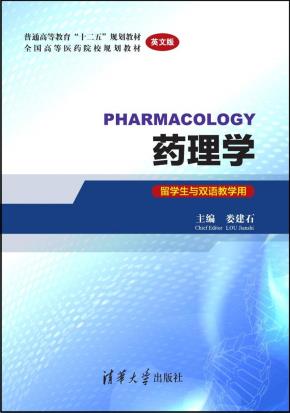
药理学(英文版)(留学生与双语教学用)"
本书系统地介绍了药理学的基本知识,包括常用药物的作用和原理、临床应用、不良反应以及药物相互作用等。内容简明易懂,适合临床医学专业学生初步学习药理学的入门教材,也可作为其他医学相关专业学生学习药理学的教材,如护理学、口腔医学、麻醉学、中西医结合医学、医学检验、医学影像、公共卫生和药学专业等。本书也可供医药卫生专业工作人员学习和应用药理学的参考教材。
Pharmacology is one of indispensable basic courses in medical colleges, and also is one of
professional basic courses for students in various majors of clinical medicine, pharmaceutics
and nursing. Pharmacological science provides an important theoretical basis and experimental
methods for revealing the therapeutic principle to diseases, expounding the innate character
of life activity, promoting the development of biological science. Pharmacology is the study
of interaction between drugs and the body, the bridge between basic medicine and clinical
medicine, the sharing resource between medicine and pharmacy. In recent decades, it appears
new advances in change of disease spectrum, in requirement of public health, in research and
development of new drug. With these advances, pharmacology shows the more and more
importance and applicability.
The goal of this textbook is to provide a succinct, accurate, up-to-date, clinically relevant
introduction to drug action, mechanism of action, clinical uses, adverse drug reaction, drug
interaction, et al., on which rational therapeutics is based. The authors have aimed to make the
textbook readable and useful in learning Pharmacology for the foreign medical student studying
in China, and also suitable for five-year program medical students.
In our long-term teaching for international medical students and on the basis of the
first four editions textbook of pharmacology, this textbook not only affords students basic
knowledge and theories, but also lays a foundation for clinical courses. According to the
development of pharmacology and drug research, many chapters have been updated. At the
same time, it introduces some new drugs and new mechanisms of actions, especially the trends
of pharmacology. The content of this textbook includes six sections, i.e., general introduction,
autonomic nervous system drugs, central nervous system drugs, cardiovascular system drugs,
internal organ and endocrine system drugs, and chemotherapeutic drugs.
The reference books used are as follows: Brunton L L, et al. 2011. Goodman and Gilman’s
The Pharmacological Basis of Therapeutics, 12th Edi; Katzung B G, et al. 2012. Basic and Clinical
Pharmacology 12th Edi; Rang H P, et al. 2011. Rang and Dale’s Pharmacology 7th Edi; Yang B F.
2009. Pharmacology 7th Edi; Lin Z B, et al. 2008. Basis of Medical Pharmacology. 6th Edi; Finkel R,
et al. 2009. Lippincott’s Illustrated Reviews: Pharmacology, 4th Edi.
This textbook is written by faculty members of the Department of Pharmacology, Tianjin
Medical University. Since our ability and level are limited, there maybe some mistakes and
shortcomings in this textbook. I hope the readers give valuable opinions and comments. Any
suggestion and comment are always welcome at anytime to send to author’s E-mail. We have
the capacity and ingenuity to correct these mistakes and shortcomings in next edition.
LOU Jianshi
Department of Pharmacology
School of Basic Medicine
Tianjin Medical University
Tianjin 300070, P.R.China
jianshilou@tijmu.edu.cn
November 2014


Chapter 1 Introduction…………………………………………………………………………………1
Ⅰ. Development of Pharmacology………………………………………………………………1
Ⅱ. New Drug Research……………………………………………………………………………2
Chapter 2 Pharmacodynamics…………………………………………………………………………3
Ⅰ. General Classification of Drug Effects………………………………………………………3
Ⅱ. Dose-Effect Relationship………………………………………………………………………4
Ⅲ. Receptor Theory and Drug Receptor Interaction……………………………………………6
Ⅳ. Receptor Families and Their Transducer and Effector Molecules…………………………9
Ⅴ. Relationship Between Regulatory Mechanisms of Receptors and
the Pharmacological Action…………………………………………………………………11
Ⅵ. Mechanism of Action…………………………………………………………………………12
Chapter 3 Pharmacokinetics……………………………………………………………………………13
Ⅰ. Drug Transport across Membranes…………………………………………………………13
Ⅱ. The Dynamics of Drug Absorption, Distribution, and Elimination………………………14
Ⅲ. General Principles of Pharmacokinetics……………………………………………………19
Chapter 4 Pharmacogenetics…………………………………………………………………………24
Ⅰ. The Objectives of Research in Pharmacogenetics……………………………………………24
Ⅱ. The Effect of Genetic Factors on Drug Reactions……………………………………………25
Ⅲ. The Racial Difference of Drug Reaction and Metabolism…………………………………29
Chapter 5 Autonomic Pharmacology…………………………………………………………………31
Ⅰ. Anatomy and Neurotransmitter Chemistry of the Autonomic Nervous System………31
Ⅱ. Biosynthesis and Metabolism of Transmitters………………………………………………32
Ⅲ. Locations of Autonomic Receptors……………………………………………………………35
Ⅳ. Presynaptic Regulation of Transmitter Release……………………………………………36
Ⅴ. Functional Organization of Autonomic Activity……………………………………………38
Ⅵ. Coupling Mechanism of Receptor-effect……………………………………………………39
Ⅶ. Mode of Action of Autonomic Nervous System Drugs……………………………………40
Ⅷ. Classification of Autonomic Nervous System Drugs………………………………………41
Chapter 6 Cholinoceptor-Activating and Cholinesterase-Inhibiting Drugs………………………42
Ⅰ. Direct-acting Cholinoceptor Stimulants……………………………………………………42
Ⅱ. Cholinesterase Inhibitors………………………………………………………………………44
Chapter 7 Organophosphates Anticholinesterase Intoxication and Cholinesterase Reactivators……47
Ⅰ. Organophosphates Anticholinesterase Intoxication………………………………………47
Ⅱ. Cholinesterase Reactivator……………………………………………………………………48
Chapter 8 M Cholinoceptor Antagonists………………………………………………………………50
Ⅰ. Natural M Cholinoceptor Blocking Drugs…………………………………………………50
Ⅱ. Synthetic Spasmolytic Drugs…………………………………………………………………53
Chapter 9 N Cholinoceptor Antagonists………………………………………………………………54
Ⅰ. N1 Cholinoceptor Blocking Drugs……………………………………………………………54
Ⅱ. N2 Cholinoceptor Blocking Drugs……………………………………………………………55
Chapter 10 Adrenoceptor-Activating Drugs…………………………………………………………58
Ⅰ. Chemical Structure……………………………………………………………………………58
Ⅱ. Classification……………………………………………………………………………………59
Ⅲ. Mixed α and β Receptor Agonists……………………………………………………………60
Ⅳ. α Receptor Agonists……………………………………………………………………………63
Ⅴ. β Receptor Agonists ……………………………………………………………………………64
Ⅵ. Dopaminergic Receptor Agonists……………………………………………………………66
Chapter 11 Adrenoceptor Blocking Drugs……………………………………………………………69
Ⅰ. α Receptor Antagonists…………………………………………………………………………69
Ⅱ. β Receptor Antagonists ………………………………………………………………………73
Ⅲ. α, β Receptor Antagonists……………………………………………………………………76
Chapter 12 Sedative-Hypnotics Drugs…………………………………………………………………78
Ⅰ. Introduction……………………………………………………………………………………78
Ⅱ. Benzodiazepines………………………………………………………………………………79
Ⅲ. Barbiturates……………………………………………………………………………………83
Ⅳ. Other Sedative-Hypnotics……………………………………………………………………85
Chapter 13 Antiepileptic Drugs………………………………………………………………………88
Ⅰ. Classification of Seizure Types………………………………………………………………88
Ⅱ. Drugs Used in Seizures………………………………………………………………………89
Ⅲ. Selectivity and Withdrawal of Antiepileptic Drugs…………………………………………94
Ⅳ. Anticonvulsant Drugs…………………………………………………………………………95
Chapter 14 Psychotropic Drugs………………………………………………………………………97
Ⅰ. Antipsychotic Drugs……………………………………………………………………………97
Ⅱ. Antimanic Drugs……………………………………………………………………………103
Ⅲ. Antidepressants………………………………………………………………………………105
Chapter 15 Antiparkinsonism Drugs………………………………………………………………108
Ⅰ. Dopaminergic Drugs………………………………………………………………………108
Ⅱ. Anticholinergic Drugs………………………………………………………………………111
Ⅲ. Others…………………………………………………………………………………………112
Chapter 16 Antipyretic-Analgesic and Antiinflammatory Drugs…………………………………113
Ⅰ. Introduction…………………………………………………………………………………113
Ⅱ. Salicylates……………………………………………………………………………………115
Ⅲ. Anilines………………………………………………………………………………………117
Ⅳ. Pyrazolones…………………………………………………………………………………117
Ⅴ. Others…………………………………………………………………………………………118
Ⅵ. Analgesic Compounds………………………………………………………………………120
Ⅶ. Slow Acting Antirheumatic Drugs…………………………………………………………120
Ⅷ. Antigout Drugs………………………………………………………………………………121
Chapter 17 Narcotic Analgesics……………………………………………………………………123
Ⅰ. Introduction…………………………………………………………………………………123
Ⅱ. Opioid Receptor Agonists…………………………………………………………………125
Ⅲ. Opioid Receptor Antagonists………………………………………………………………130
Chapter 18 Central Stimulants………………………………………………………………………132
Ⅰ. Cerebral Stimulants…………………………………………………………………………132
Ⅱ. Medullary Stimulants………………………………………………………………………135
Chapter 19 Drugs Used in the Treatment of Heart Failure………………………………………136
Ⅰ. Pathophysiology of Congestive Heart Failure……………………………………………136
Ⅱ. Diuretics………………………………………………………………………………………138
Ⅲ. Aldosterone Antagonists……………………………………………………………………138
Ⅳ. Inhibitors of RAAS: ACEI and AT1 Receptor Antagonists………………………………138
Ⅴ. β Adrenergic Receptor Blocking Agents…………………………………………………139
Ⅵ. Vasodilators…………………………………………………………………………………139
Ⅶ. Cardiac Glycosides…………………………………………………………………………139
Ⅷ. β Adrenergic Receptor Stimulators………………………………………………………146
Ⅸ. Phosphodiesterase Inhibitors………………………………………………………………147
Chapter 20 Antihypertensive Drugs…………………………………………………………………148
Ⅰ. Introduction…………………………………………………………………………………148
Ⅱ. Drugs that Alter Sodium and Water Balance……………………………………………150
Ⅲ. Drugs that Alter Sympathetic Nervous System Function………………………………152
Ⅳ. Vasodilators…………………………………………………………………………………156
Ⅴ. Drugs that Interfere with the Renin-Angiotensin System………………………………160
Ⅵ. Clinical Pharmacology of Antihypertensive Drugs………………………………………162
Chapter 21 Anti-Angina Pectoris Drugs……………………………………………………………164
Ⅰ. Introduction…………………………………………………………………………………164
Ⅱ. Nitrates and Nitrites…………………………………………………………………………165
Ⅲ. Calcium Channel Blockers…………………………………………………………………167
Ⅳ. β Receptor Antagonists……………………………………………………………………167
Chapter 22 Antiarrhythmic Drugs…………………………………………………………………170
Ⅰ. Introduction…………………………………………………………………………………170
Ⅱ. Class ⅠA………………………………………………………………………………………174
Ⅲ. Class ⅠB………………………………………………………………………………………176
Ⅳ. Class ⅠC………………………………………………………………………………………178
Ⅴ. Class Ⅱ………………………………………………………………………………………178
Ⅵ. Class Ⅲ………………………………………………………………………………………179
Ⅶ. Class Ⅳ………………………………………………………………………………………180
Ⅷ. Others…………………………………………………………………………………………181
Chapter 23 Antihyperlipidemic Drugs………………………………………………………………184
Ⅰ. Atherogenesis………………………………………………………………………………184
Ⅱ. Lipoprotein Transport………………………………………………………………………185
Ⅲ. Dyslipidaemia………………………………………………………………………………186
Ⅳ. Antihyperlipidemic Drugs…………………………………………………………………186
Chapter 24 Diuretic and Dehydrant Drugs…………………………………………………………191
Ⅰ. Kidney Structure and Function……………………………………………………………191
Ⅱ. Diuretics………………………………………………………………………………………193
Ⅲ. Osmotic Diuretics (Mannitol, Sorbitol, Glucose, Urea)…………………………………198
Chapter 25 Antiasthmatic Drugs……………………………………………………………………199
Ⅰ. Bronchodilators………………………………………………………………………………199
Ⅱ. Anti-Inflammatory Drugs…………………………………………………………………203
Chapter 26 Drugs Used in Gastrointestinal Diseases………………………………………………206
Ⅰ. Drugs Used to Treat Peptic Ulcer…………………………………………………………206
Ⅱ. Antiemetic Drugs……………………………………………………………………………210
Ⅲ. Antidiarrheal Drugs…………………………………………………………………………212
Ⅳ. Laxatives………………………………………………………………………………………212
Chapter 27 Drugs Affecting Uterine Motility………………………………………………………214
Ⅰ. Drugs that Stimulate Uterine Contraction………………………………………………214
Ⅱ. Drugs that Inhibit Uterine Contraction……………………………………………………216
Chapter 28 Anticoagulants and Coagulants………………………………………………………217
Ⅰ. Introduction…………………………………………………………………………………217
Ⅱ. Anticoagulants………………………………………………………………………………219
Ⅲ. Antiplatelet Drugs……………………………………………………………………………223
Ⅳ. Fibrinolytic Drugs……………………………………………………………………………225
Ⅴ. Coagulants……………………………………………………………………………………226
Chapter 29 Histamine and Antihistamine Drugs…………………………………………………228
Ⅰ. Histamine……………………………………………………………………………………228
Ⅱ. H1 Receptor Antagonists……………………………………………………………………231
Ⅲ. H2 Receptor Antagonists……………………………………………………………………232
Chapter 30 Adrenocorticosteroids…………………………………………………………………234
Ⅰ. Introduction…………………………………………………………………………………234
Ⅱ. Glucocorticoids………………………………………………………………………………235
Ⅲ. Mineralocorticoids…………………………………………………………………………243
Chapter 31 Drugs Affecting the Thyroid Gland…………………………………………………245
Ⅰ. Thyroid Hormone (TH)……………………………………………………………………245
Ⅱ. Antithyroid Drugs……………………………………………………………………………247
Chapter 32 Antidiabetic Drugs………………………………………………………………………250
Ⅰ. Insulin…………………………………………………………………………………………250
Ⅱ. Oral Hypoglycemic Drugs…………………………………………………………………254
Ⅲ. Current Treatment Options…………………………………………………………………258
Chapter 33 Introduction to Antibacterial Drugs…………………………………………………259
Ⅰ. Specialty Terms………………………………………………………………………………259
Ⅱ. Antimicrobial Mechanisms…………………………………………………………………260
Ⅲ. Mechanism of Resistance to Antibiotics…………………………………………………261
Chapter 34 Synthetic Antimicrobial Drugs…………………………………………………………263
Ⅰ. Sulfonamides…………………………………………………………………………………263
Ⅱ. Trimethoprim…………………………………………………………………………………265
Ⅲ. Quinolones……………………………………………………………………………………268
Chapter 35 β-Lactam Antibiotics…………………………………………………………………272
Ⅰ. Penicillins……………………………………………………………………………………272
Ⅱ. Cephalosporins………………………………………………………………………………278
Ⅲ. Other β-Lactam Drugs………………………………………………………………………281
Chapter 36 Macrolides, Lincosamides and Glycopeptides………………………………………284
Ⅰ. Macrolides……………………………………………………………………………………284
Ⅱ. Lincosamides…………………………………………………………………………………288
Ⅲ. Glycopeptides………………………………………………………………………………290
Chapter 37 Broad-Spectrum Antibiotics……………………………………………………………292
Ⅰ. Tetracyclines…………………………………………………………………………………292
Ⅱ. Chloramphenicols……………………………………………………………………………296
Chapter 38 Aminoglycosides and Polypeptides……………………………………………………299
Ⅰ. Aminoglycosides……………………………………………………………………………299
Ⅱ. Polypeptides…………………………………………………………………………………305
Chapter 39 Antifungal Drugs………………………………………………………………………306
Ⅰ. Antibiotics……………………………………………………………………………………306
Ⅱ. Azole Antifungal Drugs……………………………………………………………………307
Ⅲ. Allylamine Antifungal Drugs………………………………………………………………308
Ⅳ. Pyrimidine Antifungal Drugs………………………………………………………………308
Chapter 40 Antiviral Drugs…………………………………………………………………………310
Ⅰ. Anti-Human Immunodeficiency Virus Drugs……………………………………………311
Ⅱ. Anti-Herpersvirus Drugs……………………………………………………………………318
Ⅲ. Anti-Influenza Drugs………………………………………………………………………324
Ⅳ. Anti-Hepacivirus Drugs……………………………………………………………………328
Chapter 41 Antimycobacterial Drugs………………………………………………………………332
Ⅰ. Introduction…………………………………………………………………………………332
Ⅱ. First-Line Drugs Used in Tuberculosis……………………………………………………332
Ⅲ. Alternative Second-Line Drugs in Treatment of Tuberculosis…………………………337
Ⅳ. Combination Chemotherapy of Tuberculosis……………………………………………339
Chapter 42 Antimalarial Drugs……………………………………………………………………340
Ⅰ. Plasmodium Life Cycles and Action of Antimalarial Drugs……………………………340
Ⅱ. Antimalarial Drugs Mainly Applied to Control Symptoms……………………………341
Ⅲ. Antimalarial Drugs Mainly Applied to Control Relapse and Transmission…………351
Ⅳ. Antimalarial Drugs Mainly Applied to Causal Prophylaxis……………………………352
Chapter 43 Amebicides………………………………………………………………………………355
Ⅰ. Life Cycles of Entamoeba Histolytica and Action of Amebicides…………………………355
Ⅱ. Luminal Amebicides…………………………………………………………………………356
Ⅲ. Extraintestinal Amebicides…………………………………………………………………359
Ⅳ. Luminal and Simultaneously Extraintestinal Amebicides………………………………360
Chapter 44 Anthelmintic Drugs……………………………………………………………………364
Ⅰ. Nematocides…………………………………………………………………………………364
Ⅱ. Taeniacides……………………………………………………………………………………366
Ⅲ. Anti-Trematode Drugs………………………………………………………………………366
Chapter 45 Antineoplastic Drugs……………………………………………………………………369
Ⅰ. Introduction…………………………………………………………………………………369
Ⅱ. Cytotoxic Drugs………………………………………………………………………………372
Ⅲ. Non-Cytotoxic Drugs………………………………………………………………………378
References………………………………………………………………………………………………382
全国唯一一套正版留学生教材,适于全国高等医药院校留学生及双语教学使用。