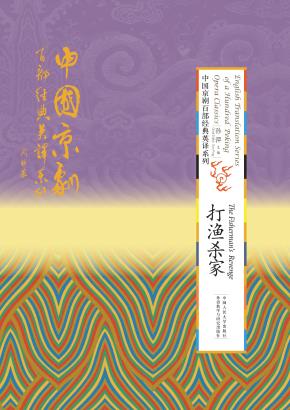
打渔杀家(精装本)(中国京剧百部经典英译系列)"
全剧勾勒打鱼为生的萧氏父女不甘渔霸压迫和欺凌,反霸杀家的故事。鬓须灰白的老渔翁萧恩质朴爽朗、武艺高超,萧桂英活泼爽朗、心灵机智、敏捷伶俐。二人对江湖朋友诚挚热忱,而对渔霸于仇恨中又带有蔑视,游刃有余地与之较量。此戏刻画出的萧恩老英雄质朴、爽快而不同于文人墨客的气质,是中国传统侠义文化的一种很好的诠释。
京剧《打渔杀家》讲述的是发生在中国南宋初年(公元1127年—1162年)年间的故事,取材于中国古典小说《水浒后传》,是经典剧目《庆顶珠》中的两折,又名《讨渔税》。《庆顶珠》是清代花部乱弹作品,在中国清朝嘉庆年间就被搬上舞台。《庆顶珠》全剧由“得宝”、“庆珠”、“比武”、“珠聘”、“打渔”、“恶讨”、“屈责”、“献珠”、“杀家”、“投亲”、“劫牢”、“珠圆”等折组成。“打渔”和“杀家”两折一直上演不衰,后来这两折并成一折,因此称为《打渔杀家》。作为京剧优秀传统剧目之一,经过前辈艺人千锤百炼的演绎已十分成熟,京剧史上几乎各个流派的老生和旦角演员都演过这出戏。各家演出虽然在剧本结构方面基本没有变化,但在声腔、身段和服饰方面却各具特色,在广大群众中产生广泛影响,并成为久演不衰的传统剧目。
The Fisherman’s Revenge tells a story that takes place in the early years of the Southern Song Dynasty (1127—1162), drawing its materials from the Chinese classic novel Sequel to The Water Margin. Also known as Demanding Payment of the Fishery Tax, it is part of the larger opera Qingding Pearl. Qingding Pearl, a work of huabu luantan (a collective name for all traditional Chinese operas except Kunqu Opera) was staged early during the reign of Emperor Jiaqing (1795—1820) in the Qing Dynasty. The entire Qingding Pearl opera consists of the following scenes: Getting the Pearl, Celebrating the Pearl, Martial Arts Contest, Taking the Pearl for Betrothal Gift, Fishing, Asking for Fishery Tax Rudely, Torturing Unjustly, Offering the Pearl, Killing Ding’s Family, Seeking Help with Relatives, Breaking into the Jail, and Family Reunion, of which Fishing and Killing Ding’s Family were frequently performed as independent scenes. Later these two scenes were merged into a single zhe (scene or scenes from a longer opera that are staged as an independent performance), called The Fisherman’s Revenge. As one of the classic traditional works of Peking Opera enjoying a wide appreciation by the public, most laosheng and dan actors of the different schools in the history of Peking Opera have performed it, and thus the scene and its characters have been developed into a mature performance through continual practice. Though different schools share a similar outline of the opera script, they distinguish themselves with each school’s different arias, gestures, and costumes.

《打渔杀家》导读 Guide to The Fisherman’s Revenge............................1
壹 剧情梗概 I Synopsis........................................................3
贰 剧本文学 II Plot...........................................................7
叁 主演简介 III Brief Introduction to the Performers.........................13
肆 主要艺术特点赏析 IV Major Artistic Characteristics........................41
伍 音乐伴奏 V Music..........................................................45
陆 主要人物造型及道具 VI Costuming and Props.................................47
《打渔杀家》曲谱与曲词 Music Score and Transcript of The Fisherman’s
Revenge......................................................................53
壹 曲谱 I Music Score........................................................55
贰 曲词 II Transcript........................................................65
京剧艺术概述 Introduction to the Art of Peking Opera........................123
壹 京剧的简史 I A Brief History of Peking Opera.............................127
贰 京剧的艺术特点 II The Artistic Features of Peking Opera..................131
叁 京剧的行当与流派 III Role Types and Schools in Peking Opera..............135
肆 京剧的音乐和声腔 IV Music and Modes in Peking Opera......................171
伍 京剧的声韵和念白 V Theatrical Speech in Peking Opera.....................201
陆 京剧的服装 VI Costuming..................................................205
柒 京剧的面部化妆 VII Facial Makeup.........................................225
捌 京剧的道具和舞台 VIII Properties and Stagecraft in Peking Opera..........249
玖 京剧的表演 IX The Performance of Peking Opera............................259
孙萍,京剧表演艺术家。女,回族,1961年生于北京。第十届、十一届全国政协委员、政协外事委员会委员、国家京剧院著名演员、著名京剧教育机构富连成社社长叶春善传人,并兼任中国人民大学国剧研究中心执行主任、北京外国语大学艺术研究院院长、北京外国语大学公共外交研究中心执行主任、匈牙利裴多菲大剧院特邀导演、美国耶鲁大学戏剧学院客座教授、宾夕法尼亚大学音乐系客座教授、中美文化交流学会会员、中法文化交流协会会员,还曾长期担任全国青联常委。