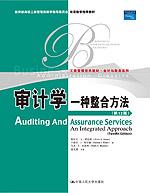
审计学:一种整合方法(第12版)(工商管理经典教材·会计与财务系列;教育部高校工商管理类教指委双语教学推荐教材)"
《审计学:一种整合方法》是美国最经典的现代审计学教材之一,被公认为系统学习和全面掌握现代西方特别是美国审计理论和实务的最佳图书,为全球多所著名大学所采用。该书由于首次提出并倡导“切块审计”的思想而备受审计理论界、教育界和实务界的推崇。在中国,该书曾经受到我国已故著名会计学家杨时展先生的高度重视、推介和运用,并组织了最初的引介和翻译工作。


PART1 The Auditing Profession1 The Demand for Audit and Other Assurance Services Learning Objectives Nature of Auditing Distinction Between Auditing and Accounting Economic Demand for Auditing Assurance Services Types of Audits Types of Auditors Certified Public Accountant 2 The CPA Profession Learning Objectives Certified Public Accounting Firms Activities of CPA Firms Structure of CPA Firms Sarbanes-Oxley Act and Public Company Accounting Oversight Board Securities and Exchange Commission American Institute of Certified Public Accountants (AICPA) Generally Accepted Auditing Standards Statements on Auditing Standards International Standards on Auditing Quality Control 3 Audit Reports Learning Objectives Standard Unqualified Audit Report Combined Reports on Financial Statements and Internal Control Over Financial Reporting Under Section of the Sarbanes-Oxley Act Unqualified Audit Report with Explanatory Paragraph or Modified Wording Departures from an Unqualified Audit Report Materiality Discussion of Conditions Requiring a Departure Auditors Decision Process for Audit Reports Impact of E-Commerce on Audit Reporting 4 Professional Ethics Leamlng Objectives What Are Ethics? Ethical Dilemmas Special Need for Ethical Conduct in Professions Code of Professional Conduct Independence Independence Rule of Conduct and Interpretations Other Rules of Conduct Enforcement 5 Legal Liability Learning Objectives Changed Legal Environment Distinguishing Business Failure, Audit Failure, and Audit Risk Legal Concepts Affecting Liability Liability to Clients Liability to Third Parties Under Common Law Civil Liability Under the Federal Securities Laws Criminal Liability The Professions Response to Legal Liability Protecting Individual CPAs from Legal Liability PART2 The Audit Process6 Audit Responsibilities and Objectives Learning Objectives Objective of Conducting an Audit of Financial Statements Managements Responsibilities Auditors Responsibilities Financial Statement Cycles Setting Audit Objectives Management Assertions Transaction-Related Audit Objectives Balance-Related Audit Objectives Presentation and Disclosure-Related Audit Objectives How Audit Objectives Are Met 7 Audit Evidence Learning Objectives Nature of Evidence Audit Evidence Decisions Persuasiveness of Evidence Types of Audit Evidence Audit Documentation 8 Audit Planning and Analytical Procedures Learning Objectives Planning Accept Client and Perform Initial Audit Planning Understand the Clients Business and Industry Assess Client Business Risk Perform Preliminary Analytical Procedures Summary of the Parts of Audit Planning Analytical Procedures Five Types of Analytical Procedures Common Financial Ratios 9 Materlallty and Risk Learning Objectives Materiality Set Preliminary Judgment about Materiality Allocate Preliminary Judgment about Materiality to Segments(Tolerable Misstatement) Estimate Misstatement and Compare with Preliminary Judgment Risk Types of Risks Assessing Acceptable Audit Risk Assessing Inherent Risk Relationship of Risks to Evidence and Factors Influencing Risks Evaluating Results ……PART3 Application of the Audit Process to the Sales and Collection CyclePART4 Application of the Audit Process to Other CyclesPART5 Completing the Audit
阿尔文·A·阿伦斯(Alvin A.Arens)密歇根州立大学会计学院普华永道审计学教授.曾担任美国会计学会(AAA)主席、美国注册会计师协会(AICPA)审计准则委员会委员。曾获多项殊荣.包括AAA杰出教育家奖、AICPA杰出教育家奖、美国BetaAlpha Psi教授年度奖等。具有丰富的大学审计教学和注册会计师执业经验。